Coverage
What snowmobile insurance actually covers
Eight parts, plain language. You do not need all of them — but you should know what you are turning down before you turn it down.
Liability
Damage or injury you cause to someone else.
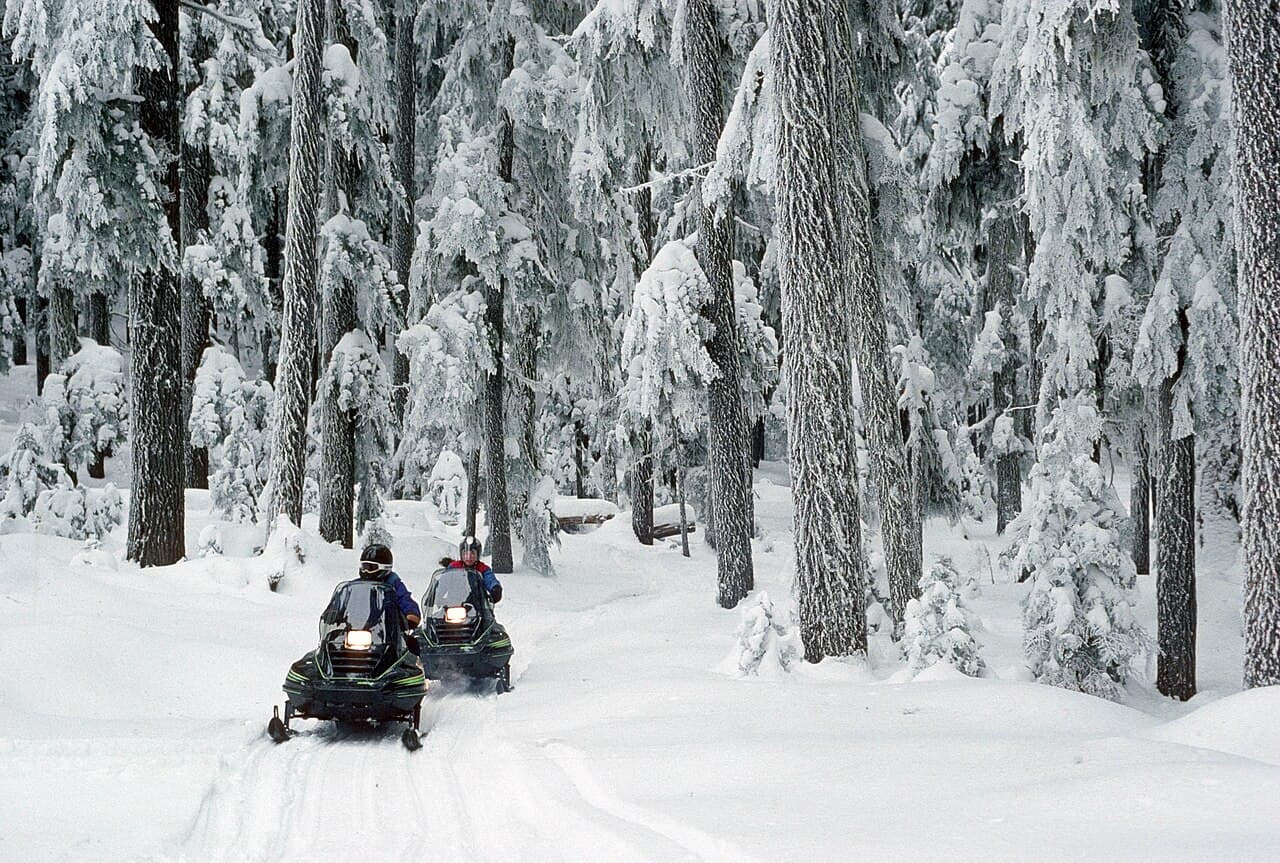
If you clip another rider on the trail or put a sled through a fence, liability is the part of the policy that answers for it. Whether the law requires it depends on your state — Minnesota, Wisconsin, and Michigan do not, and several other states do only in specific situations, such as crossing a public road or riding on state-managed land.
Trail permit programs are the more common reason riders end up carrying it. Clubs and permit systems set their own rules, and many ask for proof of liability coverage before they hand over a permit or a gate pass. Check what your state requires and what your trail system requires, because they are rarely the same answer.
Limits are usually written as a per-person / per-accident / property-damage set. Pick limits that make sense against what you own, not the minimum on the page.
Collision
Your own machine, after you hit something.
Trees, rocks, hidden stumps, another sled, the ditch on the way back to the trailer. Collision pays to repair or replace your machine regardless of who caused it, minus your deductible.
If your sled is financed, the lender almost always requires this. Riders who own outright sometimes drop it on an older machine — worth doing the math before you decide.
Comprehensive
Everything that isn't a crash.
Theft is the big one. Sleds get taken out of open trailers and unlocked sheds, and they are easy to move. Comprehensive also covers fire, vandalism, hail, falling objects, and a machine that goes through the ice.
This is the coverage that matters most in the off-season, when the sled is parked and you aren't watching it.
Trailer & transport
The haul to the trailhead.
Your open or enclosed trailer can be scheduled on the policy, and the machines riding on it stay covered while you're towing. Ask specifically about coverage while loaded, unloaded, and in storage — carriers word this differently.
Accessories & gear
Everything you added after you bought it.
Aftermarket skis, tracks, bumpers, windshields, handlebar risers, GPS units, helmets, and riding suits. Most policies include a small amount automatically and let you schedule more.
Add up what your gear actually cost before you pick a limit. It's usually more than people guess.
Medical payments
Your own injuries, regardless of fault.
Helps with medical bills for you and your passenger after a crash. It matters more on a sled than in a car, because the ride is often far from a road and the first bill can be a rescue or transport charge.
Uninsured & underinsured motorist
When the other rider has nothing.
A meaningful number of sleds on the trail carry no coverage at all. This part steps in when the person who hit you can't pay for what they did.
Roadside & trail assistance
Getting the machine home.
Towing and recovery for a sled that won't run. Recovery from a trail is not the same as a tow from a highway shoulder — check what the carrier will actually come get, and from where.
What sits outside a recreational policy
Racing and timed events, machines rented out to the public, guided or paid rides, and sleds used commercially are all handled somewhere other than a standard recreational policy. So are heavily modified machines — turbo kits, big-bore builds, and suspension work change what a carrier is willing to insure and for how much. None of that means you can't get covered; it means the request goes to a different desk. Say so on the form and it routes correctly the first time.